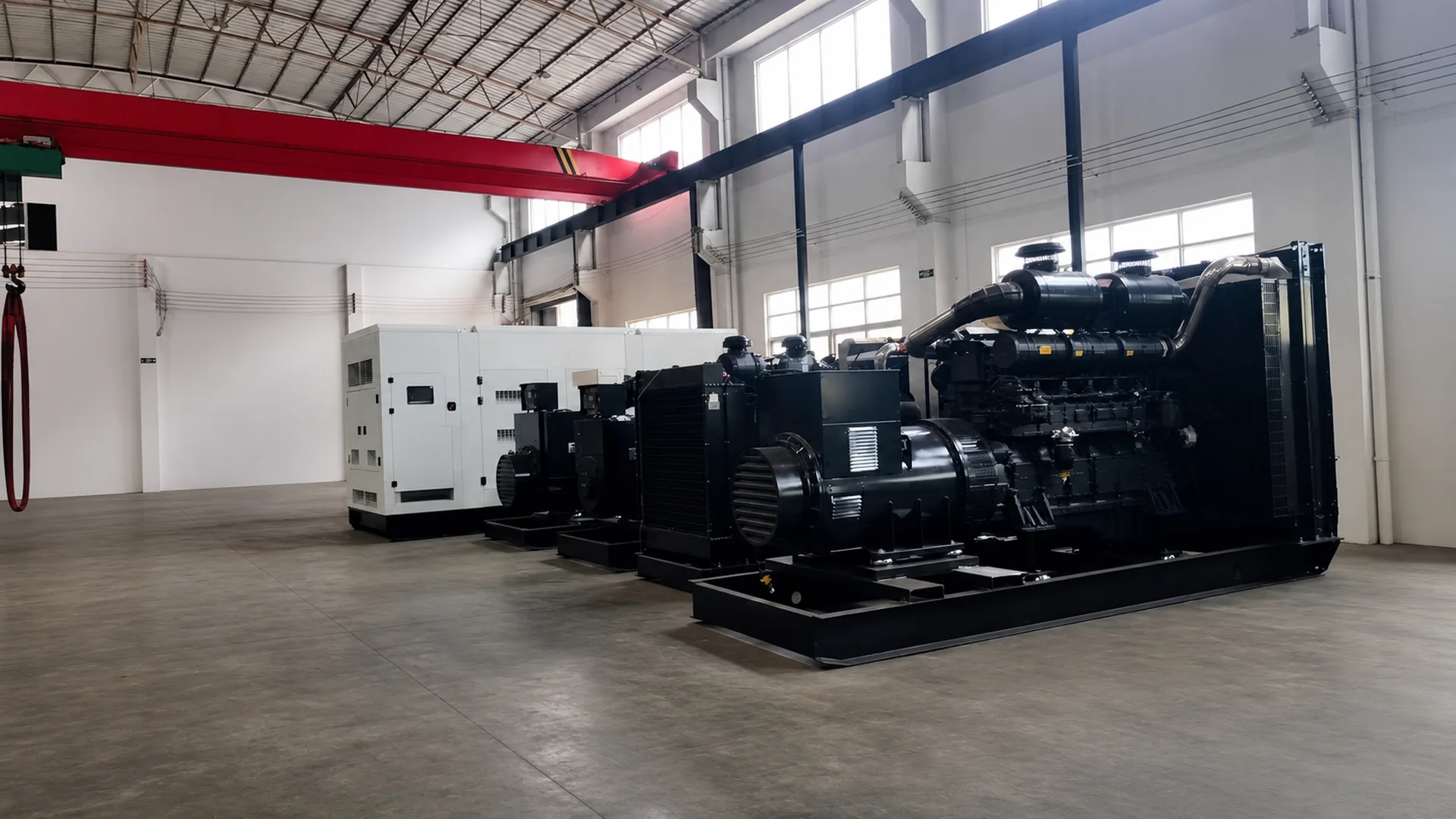
On 2026-10-31 Power Engineering International reported that keeping aging combined-cycle plants serviced is getting harder as the fleet ages (https://www.power-eng.com/operations-maintenance/maintaining-an-aging-combined-cycle-plant-aint-what-it-used-to-be/). Utilities with whole maintenance teams struggle with parts for assets they designed themselves - so a single buyer with one diesel generator set should plan parts deliberately, not hope. This guide explains why spare parts run out before warranties do, what actually determines whether you can get a seal or an injector in year five, and how to verify availability in writing before you commit.
Why do generator spare parts run out before the warranty does?
A warranty covers who pays when something fails inside the cover period; it says nothing about whether the physical part still exists in year six. The hard fact is that the two questions - 'is this repaired free?' and 'can I even get the part?' - are answered by different documents. A 12 to 24 month warranty is normal for a diesel genset, but the consumables you will actually need (filters, belts, coolant hoses, injector nozzles, starter motor brushes) wear on a runtime clock, not a calendar one, and they are not the same as the failed-component list the warranty names. Treat parts availability as a separate contract item, not a footnote to the warranty - read how warranty coverage and parts support differ before you sign (https://linkpowergenset.com/en/news/generator-warranty-coverage/).
What actually determines whether I can get a part in year 5?
Three things, in order: the engine platform, the alternator and controller brand, and whether the set uses bespoke fabricated parts with no cross-reference. A set built on a high-volume engine platform - Weichai, Yuchai or SDEC, for example - draws on a public parts catalogue and a distribution network that did not start or end with your order (https://linkpowergenset.com/en/products/weichai-diesel-generator/) (https://linkpowergenset.com/en/products/yuchai-diesel-generator/) (https://linkpowergenset.com/en/products/sdec-diesel-generator/). A set built around a rare or discontinued base engine is a different risk entirely. The alternator and the controller matter just as much: a controller from a brand with no local service presence turns a small sensor into a two-week outage. Before you buy, name every major rotating and electronic component and ask how each one is sourced and supported.
Does a common engine brand mean parts are easy to get?
Usually, but not automatically, and this is the boundary most buyers miss. A common platform helps because the part numbers exist and resellers stock them - but you still have to confirm the specific engine model on your quote is current, not a variant the maker phased out. Cross-reference the engine OEM's own part numbers against their published catalogue; if the supplier cannot give you the OEM numbers, you cannot verify anything. Also confirm the alternator and controller are current catalog items, not grey-market or private-label units with no documented lineage. A common platform is necessary but not sufficient - the cross-reference step is what makes 'easy to get' real instead of assumed.
How do I verify parts availability before buying?
Put six items in the quotation and refuse a vague 'all parts available' as an answer to any of them: (1) A complete parts list / bill of materials for the set, covering engine, alternator, controller and fabricated items. (2) The engine OEM's own part numbers, cross-referenceable to the maker's catalogue. (3) A recommended spares kit sized to your expected runtime - what to keep on hand for the first year or two of operation. (4) Written lead times for the items you cannot stock, quoted by the supplier, not estimated by you. (5) Confirmation of the alternator and controller brands and their own parts channels. (6) The factory's own stocking policy and whether common consumables are held at the build location (https://linkpowergenset.com/en/factory/). A supplier who builds complete sets and stocks consumables states these on one list; one who cannot is asking you to gamble on year-five downtime. The complete product range shows which formats and engines these lists cover (https://linkpowergenset.com/en/products/).
When should I walk away from a supplier on parts risk?
Walk, or pause hard, if the supplier cannot produce a parts list, will not name the engine OEM, quotes no lead times in writing, uses a controller with no local support channel, or specs a base engine the maker has discontinued. Also walk if 'spare parts' appears only as a promise with no document behind it, or if the set is built from bespoke fabricated parts with no cross-reference numbers - those are the items that vanish first. Any one of these missing in writing is enough to slow the order. A genset you cannot service in year four is a genset you will replace early, and the cheapest time to find that out is before you sign, not after a breakdown on a Friday night.
The practical takeaway
Separate parts availability from warranty in your contract; confirm a common, current engine platform and named alternator and controller; and get the parts list, OEM numbers and lead times in writing before you pay. Read the single spares list that names every major component and its sourcing, and buy against that (https://linkpowergenset.com/en/news/). LINKPOWER builds diesel generator sets on Weichai, Yuchai and SDEC engines with full parts lists and recommended spares kits issued from the factory (https://linkpowergenset.com/en/products/) (https://linkpowergenset.com/en/factory/), so the components you may need in year five are the same catalogued items we build with today. The part you can verify on paper is the part you will actually receive.
FAQ
Does ISO 9001 guarantee spare parts will be available? No. ISO 9001 governs a manufacturer's quality-management process - it says the build is controlled, not that the supplier will stock a specific gasket for ten years. Verify the parts policy and lead times separately; the certificate is one input to trust, not the answer to availability.
How many spare filters and belts should I stock? That depends on your runtime hours, not a fixed rule. Ask the supplier for a recommended spares kit sized to your duty cycle - standby sets need far less than prime or rental sets - and stock the consumables you cannot afford to wait two weeks for. Get the quantities in writing as part of the quotation, sized to your own run hours.
Can I use non-OEM parts to keep an old set running? Sometimes, but verify compatibility first - a wrong-spec belt or filter can cause the failure it was meant to prevent, and it can affect any remaining warranty cover. Cross-reference non-OEM numbers to the engine OEM catalogue and confirm with the supplier before fitting, especially on the engine and fuel system.
What we need from you
Send your duty cycle (standby or prime), expected annual run hours, the engine platform if you have a preference, and your location so we can quote lead times realistically. We return a complete parts list with engine OEM numbers, a recommended spares kit sized to your runtime, and our factory stocking policy in writing - so you can verify year-five serviceability before the order, not after a breakdown. Start from the full product range (https://linkpowergenset.com/en/products/) and the factory build and test process (https://linkpowergenset.com/en/factory/).